

By CourtLaw Injury Lawyers | New Jersey Truck Accident Attorneys

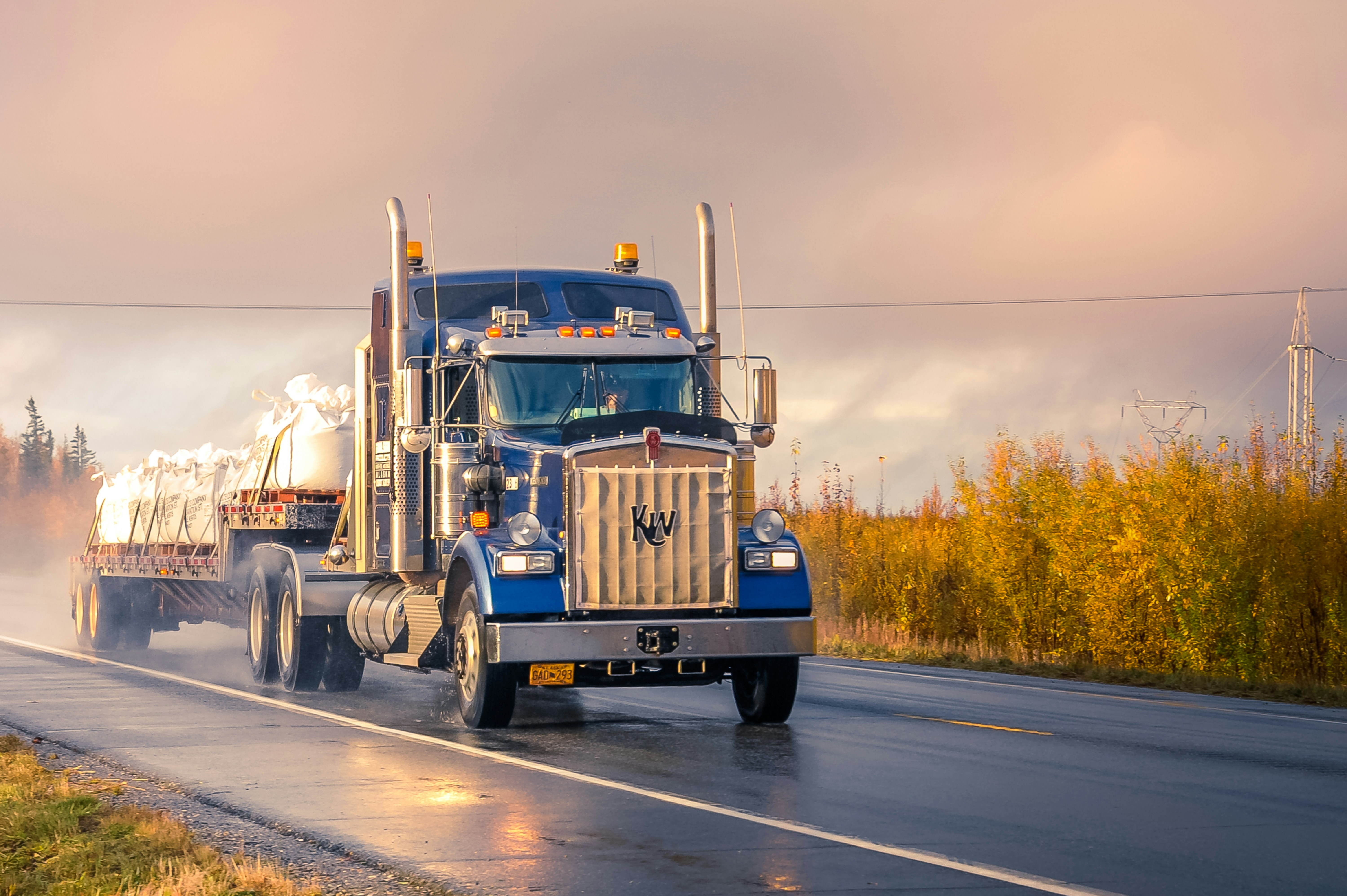
New Jersey moves an enormous amount of freight. Between the ports, the warehouses, and the highways that connect them, tractor trailers are part of daily life here. But when 80,000 pounds of truck collides with a 4,000 pound car, the injuries are rarely minor, and truck accident claims in New Jersey are far more complicated than ordinary car accident cases.
If you were hurt in a crash with a big rig, understanding why these claims are different is the first step toward protecting yourself. This guide explains what makes commercial truck crashes so dangerous, who can be held responsible, and what you can do right now to protect your claim.
If you or someone you love was injured in a truck accident, CourtLaw Injury Lawyers can help you make sense of what comes next. Call 732-442-5900or fill out our online contact form for a free case review.
Truck Accident Causes In New Jersey: Why Do Big Rig Crashes Keep Happening?


Commercial trucks travel through New Jersey around the clock, hauling cargo from Port Newark and the Elizabeth seaport to warehouses and distribution centers across the state. Most truck drivers are careful professionals, but the pressures of the industry create real dangers.
Common causes of big rig crashes include:
- Driver fatigue: Long shifts and tight delivery windows push drivers past the limits of safe alertness.
- Blind spots: A tractor trailer has large no-zones on all four sides where a smaller vehicle simply disappears from view.
- Stopping distance: A loaded truck can need the length of a football field or more to stop at highway speed.
- Speeding and aggressive driving: Heavy vehicles become harder to control as speed increases, especially in dense traffic on the New Jersey Turnpike.
- Improper loading: Unbalanced or unsecured cargo can shift mid-route and cause a trailer to roll or jackknife.
- Poor maintenance: Worn brakes, bald tires, and skipped inspections turn mechanical problems into highway emergencies.
- Distracted driving: Phones, dispatch devices, and long monotonous routes all pull a driver's attention from the road.
Each of these causes points to a different kind of evidence and, often, a different responsible party. That is why the cause of a truck crash is never just a detail. It shapes the entire claim.
Liability In A New Jersey Truck Accident: Who Can Be Held Responsible For Your Injuries?
After a car accident, there are usually two drivers and two insurance policies. After a truck accident, the list of potentially responsible parties gets much longer.
Depending on the facts, liability may reach:
- The truck driver: For fatigue, distraction, impairment, or unsafe driving
- The trucking company: For pushing unrealistic schedules, cutting corners on training, or ignoring safety rules
- The cargo loader: For freight that was improperly balanced or secured
- A maintenance contractor: For skipped or careless repairs
- A parts manufacturer: For defective brakes, tires, or other components
Federal safety rules add another layer. Trucking companies must follow strict limits on driving hours, keep detailed maintenance records, and preserve electronic logging data that shows how long a driver was behind the wheel. When those rules are broken, the violations become powerful evidence of negligence.
New Jersey also follows a comparative negligence system, which means you can still recover compensation as long as you are not more than 50 percent responsible for the crash. Insurers sometimes try to shift blame onto the injured person to reduce what they owe, and part of your attorney's job is refusing to let that happen.
The insurance stakes are higher as well. Federal law requires commercial trucks to carry far more liability coverage than passenger vehicles, which means the policies are larger and the insurers defending them fight harder to protect them. That is one more reason early legal help matters so much in these cases.
Similar Post: More Than a Car Crash: Why Commercial Trucking Accidents Require an Experienced Legal Approach
Steps To Take After A Truck Accident In New Jersey: How Do You Protect Your Claim?
What you do in the hours and days after a truck crash can shape the outcome of your entire claim. Here is a clear order of operations.
Step 1: Get Medical Care Right Away
See a doctor even if you feel okay. Crash adrenaline masks pain, and injuries like concussions and internal bleeding are not always obvious. Prompt treatment protects your health and creates the medical record that links your injuries to the crash.
Step 2: Report The Crash
Call 911 from the scene so police can document what happened. A police report captures details, statements, and identifying information you will need later, including the trucking company's name and insurance carrier.
Step 3: Document Everything You Can
If you are physically able, photograph the vehicles, the road, skid marks, and your injuries. Collect names and phone numbers of witnesses. Small details fade quickly, and photos taken at the scene are often the most persuasive evidence in the file.
Step 4: Act Before Evidence Disappears
Trucking companies often send their own investigators to a crash scene within hours. Driver logs, onboard electronic data, and maintenance records can be lost or overwritten if no one demands their preservation. An attorney can send a formal preservation letter early so that critical evidence stays intact.
Step 5: Speak With A Lawyer Before The Insurance Company
Commercial insurers move fast after serious crashes, and an early recorded statement can hurt your claim. Getting legal guidance first costs you nothing and keeps you from making avoidable mistakes.
Following these steps cannot guarantee any particular result, but it gives your claim its strongest possible foundation.
Truck Accident Compensation In New Jersey: What Losses Can You Recover?
Truck crash injuries tend to be severe, and the losses go far beyond the first hospital bill.
Depending on your situation, compensation may cover:
- Medical expenses: Emergency care, surgery, rehabilitation, and the future treatment your injuries will require
- Lost income: Wages you have already missed and earning ability you may lose going forward
- Pain and suffering: The physical and emotional toll the crash has taken on your daily life
- Property damage: Repair or replacement of your vehicle and belongings
Because New Jersey is a no-fault state, your own Personal Injury Protection coverage usually pays your initial medical bills. Serious injuries, which are common in truck crashes, often allow you to step outside that system and pursue the truck driver and trucking company directly. Sorting those layers out correctly is a key part of recovering everything you are owed.
Similar Post: Beyond the Driver: Identifying Potentially Liable Parties in a New Jersey Commercial Vehicle Accident
Truck Accident Filing Deadlines In New Jersey: How Long Do You Have To Take Action?
In New Jersey, you generally have two years from the date of the crash to file a truck accident lawsuit. If a public entity was involved, such as a government-owned truck, you may need to file a formal notice of claim within 90 days.
Two years sounds like a long time, but truck cases reward speed. Electronic logging data can be overwritten, drivers change employers, and witnesses move away. Whether your crash happened on I-78 or a local road in Middlesex County, the sooner the investigation starts, the stronger your position will be.
Frequently Asked Questions About Truck Accident Claims In New Jersey
What should you do after a truck accident in New Jersey?
Get medical care right away, call 911 so police document the crash, photograph the scene if you can, and speak with a truck accident lawyer before giving any statement to the insurance company.
Who can be held liable in a New Jersey truck accident claim?
Depending on the cause, liability may fall on the truck driver, the trucking company, the cargo loader, a maintenance contractor, or a parts manufacturer, and more than one party is often responsible.
How long do you have to file a truck accident claim in New Jersey?
You generally have two years from the date of the crash, but claims involving public entities can require a formal notice within 90 days, so it is safest to act quickly.
What compensation can you recover after a truck accident in New Jersey?
You may recover compensation for medical expenses, future care, lost wages, reduced earning ability, pain and suffering, and property damage.
Why is a truck accident claim harder than a car accident claim?
Truck claims involve federal safety rules, multiple insurance policies, corporate defendants, and time-sensitive evidence like driver logs and onboard data, which makes early legal help especially valuable.
Talking To A Truck Accident Lawyer In New Jersey: What Should You Expect From CourtLaw?
A serious truck crash upends your health, your work, and your family's routine all at once. You should not have to untangle federal regulations and commercial insurance policies while you recover.
At CourtLaw Injury Lawyers, we have spent decades representing injured people across New Jersey, from our home office in Perth Amboy to communities throughout the state. We investigate the crash, preserve the evidence, deal with the insurers, and keep you informed at every step, all on a contingency basis with no upfront cost to you.
If a truck accident has turned your life upside down, now is the time to get answers. Call CourtLaw Injury Lawyers at 732-442-5900 or complete our online contact form to schedule your free, confidential case review.
Disclaimer: This blog is intended for informational purposes only and does not establish an attorney-client relationship. It should not be considered as legal advice. For personalized legal assistance, please consult our team directly.