

By CourtLaw Injury Lawyers | New Jersey Rideshare Accident Attorneys

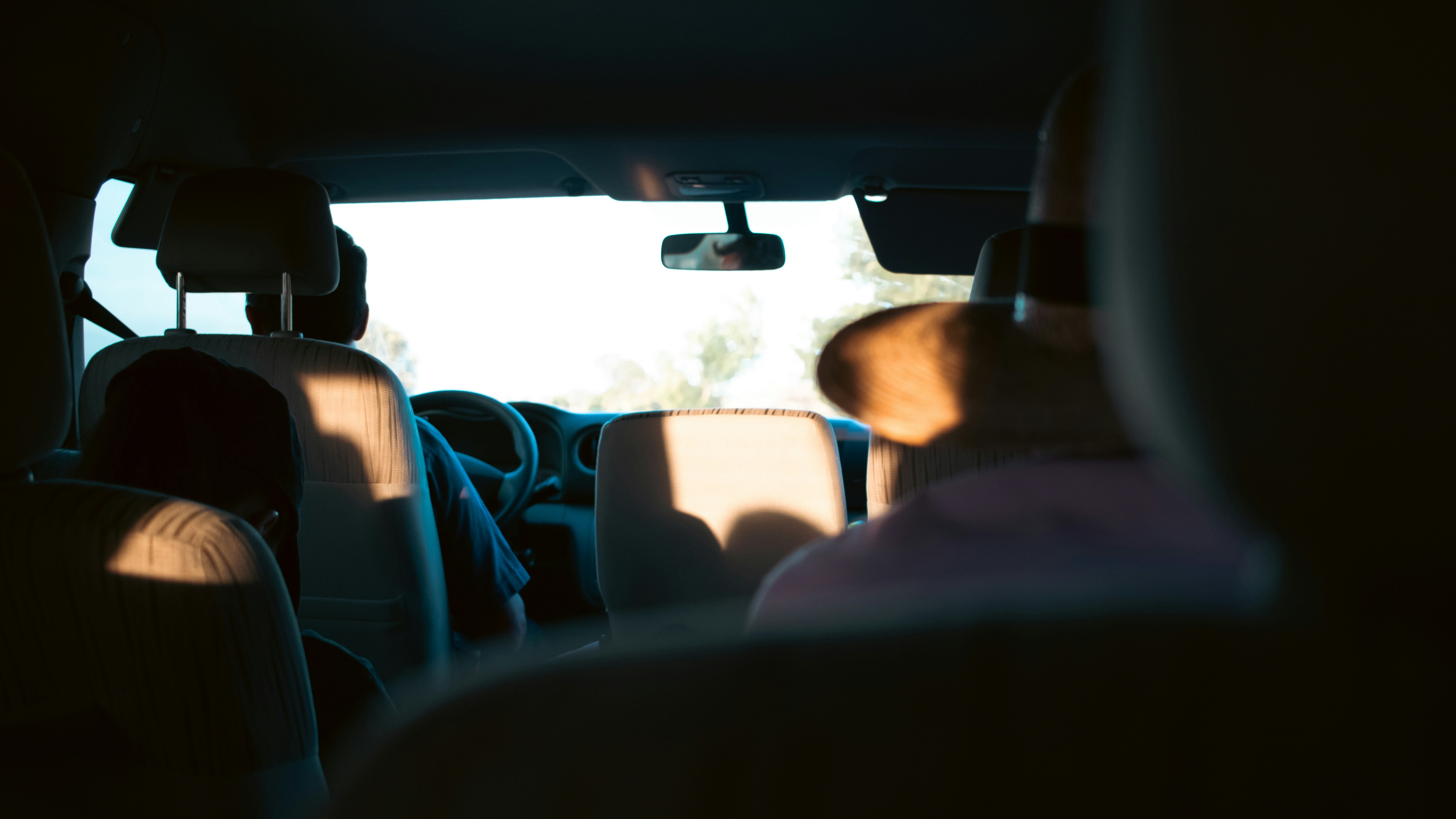
You requested the ride because it seemed like the smart choice. Maybe you were heading home from Newark Liberty International Airport, leaving a night out in Hoboken, or just avoiding the headache of parking. Then the trip ended in a crash, and now you are hurt, confused, and wondering who is supposed to pay. Rideshare accidents in New Jersey have grown right alongside the popularity of Uber and Lyft, and they raise questions that ordinary car accidents do not.
Understanding why these crashes happen is the first step toward protecting yourself, whether you were a passenger, a pedestrian, or another driver. If you were hurt in a rideshare crash and want answers now, call CourtLaw Injury Lawyers at 732-442-5900or send us a message through our online contact form for a free consultation.
Distracted Rideshare Drivers In New Jersey: Why Is The App Itself Part Of The Problem?
Rideshare driving is built around a phone. Drivers accept trips, follow turn-by-turn navigation, message riders, and watch for surge zones, all on a screen mounted inches from their face. Every one of those glances takes their eyes off the road, and at highway speed a two-second glance covers the length of a football field.
Add in conversations with passengers and the constant hunt for the next fare, and you have a driver whose attention is divided by design. When that distraction causes a collision, the driver's negligence can support an injury claim, and the rideshare company's insurance may be on the hook depending on the stage of the trip.
Fatigued Uber And Lyft Drivers: What Happens When A Side Hustle Runs On No Sleep?
Many New Jersey rideshare drivers are working a second job. They finish a full shift somewhere else, then drive late into the night when demand peaks. Research has long shown that drowsiness slows reaction time in ways comparable to alcohol impairment, and the late-night hours when rideshare demand is highest are exactly the hours when fatigue hits hardest.
Both Uber and Lyft limit continuous driving time on their platforms, but those limits do not account for the hours a driver already worked elsewhere. Proving fatigue takes investigation, including trip logs and employment records, which is one reason it helps to involve an attorney early.
Speeding And Aggressive Driving In Rideshare Trips: How Does Trip Pressure Turn Into Crashes?
Rideshare pay rewards volume. The more trips a driver completes, the more they earn, which creates a quiet incentive to hurry. That pressure shows up as speeding on the Garden State Parkway, darting across lanes to catch an exit, rolling through stop signs in residential neighborhoods, and racing to reach riders before they cancel.
Aggressive driving is negligence, plain and simple. If a rideshare driver's hurry caused your injuries, that conduct becomes the foundation of your claim, and the trip data recorded by the app can often prove exactly how fast the vehicle was moving.
Unsafe Pickups And Unfamiliar Roads: Why Do So Many Rideshare Accidents Happen At The Curb?
A surprising share of rideshare crashes happen at the very beginning or end of a trip. Drivers stop suddenly when the app announces a pickup, double-park in active travel lanes, or let riders out in spots where traffic is still moving. Passengers stepping out of a stopped vehicle have been struck by passing cars, and trailing drivers have rear-ended rideshare vehicles that braked without warning.
Unfamiliar streets make this worse. A driver who has never navigated downtown New Brunswick is more likely to make sudden, unpredictable moves. Where a driver chooses to stop is part of their duty of care, and an unsafe pickup or drop-off location can itself be the basis for liability.
Similar Post: Rideshare Driver Accidents: Legal Help for Injured Drivers and Passengers in New Jersey
Impaired Driving And Neglected Maintenance: What Hidden Risks Ride Along With You?
Rideshare companies screen their drivers and prohibit driving under the influence, but screening is not supervision. Some drivers get behind the wheel impaired by alcohol, drugs, or medications that slow their reflexes. Others skip the oil changes, brake work, and tire replacements their vehicles need, because every hour in the shop is an hour of lost income and the company does not inspect the car sitting in their driveway.
A blown tire or failed brakes can be just as devastating as a drunk driver. When maintenance failures cause a crash, responsibility may extend beyond the driver to a repair shop or parts manufacturer, which is why a thorough investigation matters.
Rideshare Insurance In New Jersey: Who Actually Pays After An Uber Or Lyft Crash?


This is where rideshare cases get complicated, and where many injured people lose money they were entitled to recover. New Jersey law sets different insurance requirements depending on what the driver was doing at the moment of the crash:
- App off: The driver is treated like any other motorist, and only their personal auto policy applies
- App on, waiting for a request: Coverage of at least $50,000 per person and $100,000 per accident for injuries, plus $25,000 for property damage, must be in place
- Ride accepted or passenger aboard: Coverage jumps to $1.5 million in liability protection, along with $1.5 million in uninsured and underinsured motorist coverage
Those distinctions sound tidy on paper, but insurers argue about them constantly. A carrier may claim the driver had not yet accepted the trip, or that a personal policy excludes commercial activity, leaving victims caught between companies pointing fingers at each other. Pinning down the driver's app status at the exact moment of impact is often the single most important fact in the case.
Protecting Your Claim After A Rideshare Accident: What Should You Do In The First Few Days?
The choices you make right after a rideshare crash shape everything that follows. If you are physically able, these steps will protect both your health and your legal options:
- Report the crash: Call 911 so police document the scene, and make sure the report identifies the driver as working for a rideshare company
- Screenshot everything: Capture the trip screen, receipt, driver profile, and route map in the app before they become harder to find
- Get checked by a doctor: Some serious injuries take days to surface, and prompt treatment links your injuries to the crash
- Collect witness information: Names and phone numbers of other passengers and bystanders can prove invaluable later
- Hold off on insurance calls: Decline recorded statements and quick settlement offers until you have spoken with a personal injury lawyer
Keep in mind that New Jersey generally gives you two years from the date of the accident to file an injury lawsuit. That window closes faster than most people expect, especially in cases that require app records and multiple insurance carriers.
Rideshare Crashes Across New Jersey: Where Do These Accidents Happen Most?
Rideshare traffic is heaviest exactly where crash risk is highest. Airport runs, late-night pickups outside bars and stadiums, and shore traffic in the summer months all concentrate rideshare vehicles in congested, high-conflict areas. Busy corridors in Middlesex County, late-night nightlife pickups, and weekend routes down to the Jersey Shore see steady rideshare volume year-round.
CourtLaw Injury Lawyers has served injured people across New Jersey for decades from our main office in Perth Amboy, with locations across the state. We handle rideshare cases close to home and know how local police departments, hospitals, and courts handle these claims.
Frequently Asked Questions About Rideshare Accidents In New Jersey
Can I Sue Uber Or Lyft Directly After An Accident In New Jersey?
Usually the claim proceeds against the rideshare company's insurance coverage rather than the company itself, because drivers are classified as independent contractors. That distinction matters less than people fear. The $1.5 million policy that applies during active trips is typically the main source of recovery.
What If I Was Hit By A Rideshare Driver While Walking Or Driving My Own Car?
You can still pursue a claim. Pedestrians, cyclists, and other drivers injured by a rideshare vehicle are covered by the same tiered insurance system, and the driver's app status at the time of the crash determines which policy applies.
What Happens If Another Driver Caused The Crash While I Was A Rideshare Passenger?
Your claim would generally proceed against the at-fault driver's insurance first. If that driver is uninsured or carries too little coverage, the rideshare policy's uninsured and underinsured motorist protection may step in to cover your losses.
How Much Does A New Jersey Rideshare Accident Lawyer Cost?
There is no upfront cost. These cases are handled on contingency, meaning the fee comes out of the recovery only if your case succeeds, and the initial consultation is free.
Do I Really Need A Lawyer For A Rideshare Accident Claim?
You are not required to hire one, but rideshare cases involve layered insurance policies, app data that must be preserved quickly, and carriers motivated to shift blame. An attorney levels that playing field and handles the fight while you focus on healing.
Contact A New Jersey Rideshare Accident Lawyer At CourtLaw Injury Lawyers For A Free Consultation
A rideshare crash leaves you dealing with injuries, missed work, and a tangle of insurance companies that do not have your interests at heart. You do not have to sort that out alone, and you should not have to pay for someone else's carelessness.
The attorneys at CourtLaw Injury Lawyers have decades of experience holding negligent drivers and their insurers accountable across New Jersey. Call us today at 732-442-5900 or reach out through our online contact form to schedule your free case review. We are available around the clock, and you owe nothing unless we recover compensation for you.
Disclaimer: This blog is intended for informational purposes only and does not establish an attorney-client relationship. It should not be considered as legal advice. For personalized legal assistance, please consult our team directly.