

By CourtLaw Injury Lawyers | New Jersey Company Vehicle Accident Lawyers

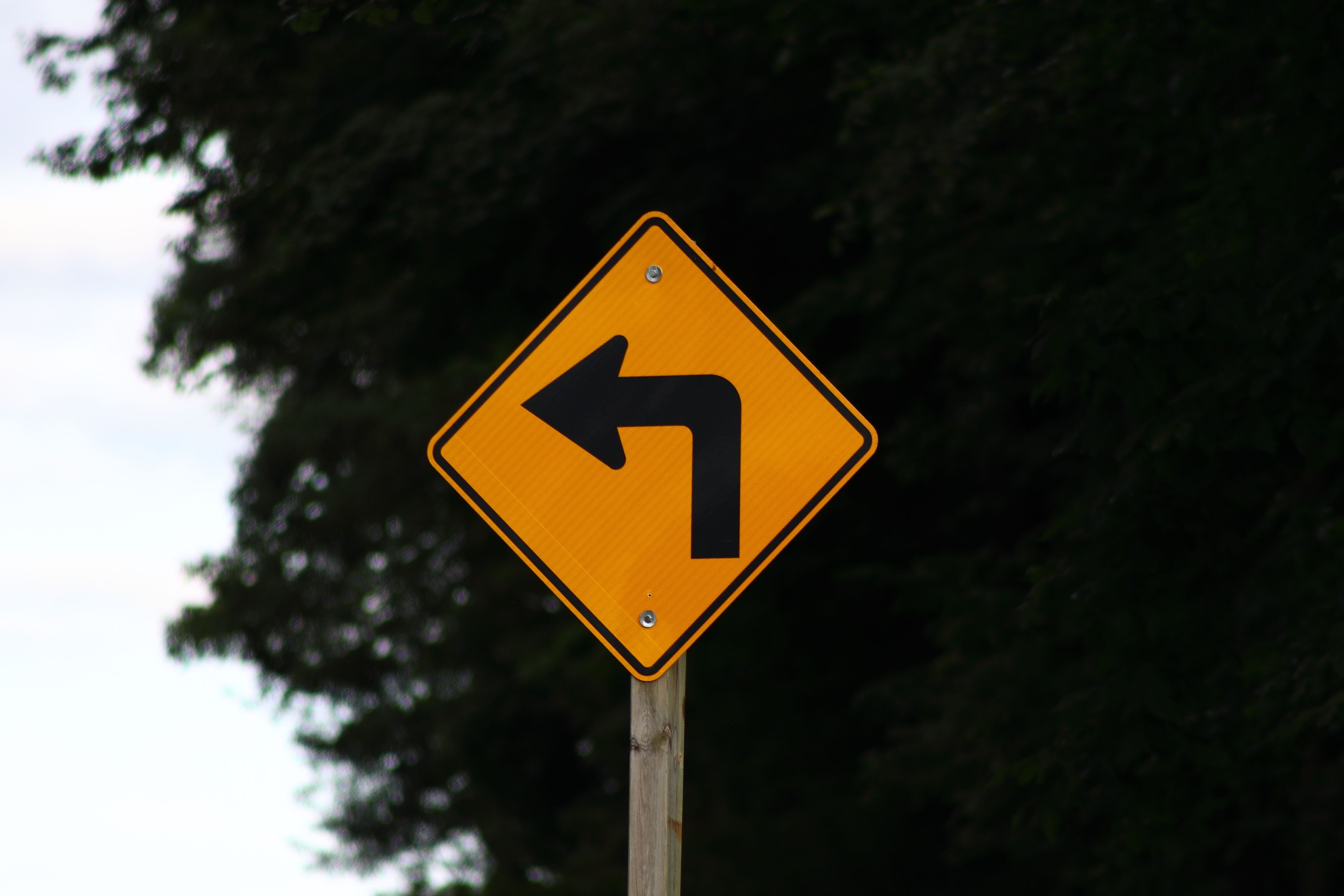
If a company vehicle hits you during a left turn, the crash can leave you with more questions than answers. You may wonder whether the driver is responsible, whether the company must pay for your losses, and whether the insurance process will be different because the vehicle was being used for work. These questions matter because left-turn crashes often cause serious injuries, especially when a delivery truck, work van, rideshare vehicle, utility truck, or other commercial vehicle strikes a smaller car, motorcycle, cyclist, or pedestrian.
When a company vehicle makes a left turn and strikes your car, you may have a path to compensation, but the road there is rarely simple. New Jersey law allows injured people to pursue the driver, the business that owns or operates the vehicle, or both, depending on who bears responsibility for the crash. The challenge is that employers and their insurance carriers know how to protect themselves, and they often start doing exactly that before you've had a chance to speak with anyone in your corner.
At CourtLaw Injury Lawyers, our New Jersey team has guided clients through the specific demands of company vehicle accident cases, from identifying the right parties to holding employers accountable for what happened on their watch. If you were hurt in a left-turn collision involving a work vehicle, call us at 732-442-5900or email us to schedule a free initial consultation. Consultations are available by phone or email.
Company Vehicle Hits You During A Left Turn: Why These Crashes Often Cause Serious Injuries
Left-turn accidents happen when a driver misjudges distance, turns across traffic, fails to yield, ignores a signal, or rushes through an intersection. When the turning vehicle belongs to a company, the crash may involve added risk because the driver may be working under pressure, following a route, making deliveries, or trying to stay on schedule.
A company vehicle may include:
- Delivery van: A vehicle used to drop off packages, food, equipment, or supplies
- Work truck: A pickup, utility vehicle, or service truck used for job duties
- Company car: A vehicle owned, leased, or controlled by a business
- Commercial vehicle: A larger vehicle used for business operations or transportation
- Contractor vehicle: A truck or van used by a worker traveling between job sites
- Fleet vehicle: A vehicle that belongs to a larger business or corporate fleet
These crashes may happen on Route 1, the New Jersey Turnpike, the Garden State Parkway, local roads in Perth Amboy, busy intersections in Newark, or shopping center entrances throughout Middlesex County. Because many company vehicles are larger and heavier than passenger cars, the injuries can be significant.
A left-turn crash involving a company vehicle rarely stays simple for long. Even when fault seems obvious at the scene, multiple parties may have a stake in how the claim plays out, and each one may have its own insurer, its own version of events, and its own reasons to limit what you recover.
Left-Turn Accident Claim: Who May Be At Fault When A Company Driver Turns Across Traffic?


Injured or in an Accident? We’re on Your Side.
We're known for providing dedicated, compassionate advocacy throughout your claim and our commitment to pursuing the compensation you deserve.
Many left-turn crashes happen because the turning driver fails to wait until it is safe. In general, a driver making a left turn must take care not to cut off oncoming traffic, pedestrians, cyclists, or other road users. However, fault always depends on the specific facts.
A company driver may be at fault if they:
- Misjudged traffic: The driver turned without enough time or space
- Failed to yield: The driver crossed the path of an approaching vehicle
- Ignored a signal: The driver turned against a red light or without a proper arrow
- Rushed the turn: The driver tried to beat traffic or complete a delivery faster
- Looked at a device: The driver checked GPS, messages, dispatch instructions, or an app
- Blocked visibility: The driver turned despite limited sightlines
- Made a wide turn: The driver crossed into another lane or struck a nearby road user
Insurers representing companies and their drivers rarely concede fault without a fight. Expect them to look for any angle that shifts blame your way, including your speed, your position in the lane, and your reaction time. Building a clear, evidence-based account of what actually happened is the most effective way to counter that.
A left-turn accident claim should look closely at vehicle positions, traffic signals, skid marks, camera footage, witness statements, and the driver’s work status at the time of the crash.
New Jersey Company Vehicle Accident Lawyer: Can The Employer Be Responsible?
Yes, the employer may be responsible if the driver caused the crash while acting within the scope of their work. In plain English, that means the driver was doing something connected to their job when the collision happened.
For example, an employer may be involved if the driver was:
- Making deliveries: The driver was dropping off goods, food, packages, or materials
- Driving to a job site: The driver was traveling for a work assignment
- Transporting equipment: The driver was moving tools, supplies, or business property
- Meeting a client: The driver was going to or leaving a work-related appointment
- Running a company errand: The driver was completing a task for the employer
- Using a company vehicle: The driver had permission to operate the business vehicle
Pursuing the employer matters for practical reasons. Businesses that operate fleets typically carry commercial insurance policies with significantly higher limits than a personal auto policy, which can make a real difference when injuries are serious. They also tend to have documentation that individual drivers simply don't, including vehicle logs, GPS records, dispatch histories, driver schedules, and maintenance files that can either support your claim or reveal problems the company would prefer to keep quiet.
That said, companies don't hand over responsibility without pushback. A common defense is that the driver was off the clock, running a personal errand, or acting outside the boundaries of their job. Untangling those arguments requires a close look at the driver's role, what the trip was actually for, and how the company's own records describe it.
Similar Post: Beyond the Driver: Identifying Potentially Liable Parties in a New Jersey Commercial Vehicle Accident
Commercial Vehicle Accident In New Jersey: What Evidence Can Help Prove Your Claim?
Companies and their insurers move quickly after a serious crash, and the evidence you need may not wait around. A vehicle gets repaired, a dashcam gets overwritten, a route log gets archived. The sooner you take steps to preserve what exists, the better position you are in to show what actually happened.
Helpful evidence may include:
- Police report: Documents the responding officer's observations, the identities of everyone involved, and any witness information collected at the scene
- Scene photos: Captures where each vehicle came to rest, the condition of traffic controls, lane markings, and any physical debris from the impact
- Dashcam video: May show the vehicle's approach, whether a signal was used, the speed of the turn, and the moment of contact
- Surveillance footage: Nearby businesses, traffic cameras, and residential cameras sometimes record intersections from angles that tell a different story than the driver's account
- Company records: Route assignments, dispatch logs, delivery schedules, and vehicle use authorizations can confirm what the driver was doing and for whom
- Driver phone records: Call logs, texts, and app activity around the time of the crash may indicate the driver was distracted before or during the turn
- Maintenance records: Service history for brakes, tires, lights, and steering can show whether a known mechanical problem was ignored
- Medical records: Treatment notes, imaging results, and physician assessments tie your specific injuries directly to the collision
You should also write down what you remember while the details remain fresh. Include the direction each vehicle traveled, whether the company vehicle had a logo, whether the driver seemed rushed, whether you saw a turn signal, and whether anyone nearby witnessed the crash.
At CourtLaw Injury Lawyers, we know that company vehicle claims move fast on the other side. Our familiarity with New Jersey injury claims means we know what to look for, who to contact, and how to keep you informed at every stage.
Company Car Accident Compensation: What Losses May Be Included?
When a company driver's negligence puts you in the hospital, the financial impact can pile up fast. Medical bills arrive before you know the full extent of your injuries. Paychecks stop while treatment continues. What you can seek in a claim depends on what the crash actually cost you, both now and down the road.
Those costs may cover:
- Emergency care: The immediate response, including ambulance transport, emergency room evaluation, and any hospitalization required in the days following the crash
- Medical treatment: Everything that follows, including specialist visits, diagnostic imaging, surgical procedures, physical therapy, prescription medication, and ongoing follow-up appointments
- Lost income: Wages you missed while recovering, hours that were cut, or work you were unable to return to during treatment
- Reduced earning capacity: If your injuries affect what you can do professionally going forward, that long-term loss belongs in the calculation
- Pain and suffering: The physical toll of the injury and the emotional weight of dealing with its aftermath
- Property damage: The cost to repair or replace your vehicle, along with towing fees and a rental while your car is out of commission
- Future medical needs: Projected costs for continued treatment, rehabilitation, adaptive equipment, or any in-home support your recovery requires
Adjusters for commercial insurers are experienced at minimizing these figures. They may dispute whether your treatment was necessary, suggest your injuries existed before the crash, or make an early offer that sounds reasonable before you know what your recovery will actually require. Getting a full picture of your damages before agreeing to anything is essential.
Employer Liability After A Crash: Why Company Vehicle Claims Are Different From Regular Car Accidents
A regular car accident usually involves two drivers and their personal insurance companies. A company vehicle crash may involve much more. The driver may be part of a fleet, working for a contractor, delivering for a business, or operating under company rules.
These claims may involve:
- Multiple insurance policies: Personal, commercial, umbrella, or corporate coverage
- Business records: Schedules, route logs, dispatch notes, and internal reports
- Driver training issues: Poor training, unsafe policies, or inadequate supervision
- Vehicle maintenance issues: Worn brakes, bad tires, broken lights, or neglected inspections
- Corporate pressure: Delivery deadlines, quotas, or unrealistic schedules
- Disputed employment status: Arguments over whether the driver worked for the company
The company may also have its own investigation team. After a serious crash, businesses and insurers may send representatives to inspect the scene, photograph the vehicles, and interview witnesses. Meanwhile, you may still be in pain, arranging medical care, and trying to figure out what happened.
That imbalance is one reason personal communication matters. We believe you should understand the process, know what evidence matters, and have someone available to answer your questions.
Injured By A Work Vehicle: What Should You Do After The Crash?
After a company vehicle left-turn crash, your health comes first. Even if you think you can manage the pain, get medical attention. Some injuries, including concussions, spinal injuries, shoulder injuries, and soft tissue damage, may worsen after the initial shock fades.
If possible, take these steps:
- Call 911: Report the crash and request medical help
- Get medical care: Visit an emergency room, urgent care center, or doctor
- Photograph the scene: Capture damage, road layout, signals, skid marks, and vehicle logos
- Identify the company: Write down the business name, vehicle number, plate, and driver details
- Collect witness contacts: Ask for names, phone numbers, and brief descriptions
- Avoid detailed statements: Do not guess about fault or injuries when insurers call
- Save all paperwork: Keep medical records, repair estimates, bills, and missed work notes
Afterward, do not rely only on the company’s version of events. A business may report the crash in a way that protects its driver. An insurance adjuster may sound helpful while gathering information that can later be used against you.
Before you give a recorded statement or sign any document, it helps to understand your rights and the potential value of your claim.
New Jersey Comparative Negligence: What If The Company Says You Were Partly At Fault?
After a left-turn crash, the company, driver, or insurance carrier may try to shift part of the blame onto you. They may argue that you drove too fast, looked away from the road, failed to react in time, entered the intersection after the light changed, or had enough time to avoid the collision. If you were walking or riding a bike, they may claim you crossed in the wrong place, moved suddenly, or failed to watch for traffic.
However, shared blame does not automatically prevent you from bringing a claim in New Jersey. Under New Jersey’s modified comparative negligence rule, you can still recover compensation as long as you are not more than 50% at fault for the crash. If a court or insurance carrier assigns you 50% or less of the blame, your compensation may be reduced by that percentage. But if they find you more than 50% responsible, you may be barred from recovering compensation.
For example, if your damages total $100,000 and you are found 20% at fault, your recovery may be reduced to $80,000. Still, that is very different from losing your claim entirely. That is why fault disputes matter so much, especially when a company driver caused a serious left-turn accident.
To challenge unfair blame, the facts need to be reviewed closely. Helpful evidence may include:
- Traffic Signal Information: Helps show which person had the right of way
- Surveillance Or Dashcam Footage: Shows how the vehicles, cyclist, or pedestrian moved before impact
- Witness Statements: Supports what happened before, during, and after the turn
- Vehicle Damage And Debris Patterns: Helps explain the point of impact and force of the crash
- Scene Photos: Shows lane layout, visibility, crosswalks, turn paths, and road conditions
- Medical Records: Connects the crash to your injuries and helps show how quickly symptoms appeared
Because the 50% threshold can directly affect whether you recover compensation, these cases require a careful response to blame-shifting. We look at the full picture before accepting any claim that an injured person caused or contributed to the crash.
New Jersey Personal Injury Deadline: How Long Do You Have To File A Claim?
In most New Jersey personal injury cases, you generally have two years from the date of the injury to file a lawsuit. This deadline may apply if a company vehicle hits you during a left turn, whether you were driving, walking, riding a motorcycle, cycling, or sitting as a passenger.
However, you should not wait until the deadline gets close. Company vehicle evidence may disappear long before two years pass. Surveillance video may get erased within days or weeks. Witnesses may forget details. Vehicles may be repaired. Company records may become harder to obtain.
You should act early to protect:
- Crash evidence: Photos, video, skid marks, debris, and traffic signal information
- Business records: Driver schedules, dispatch logs, route data, and vehicle assignments
- Witness accounts: Statements from people who saw the left turn
- Medical proof: Records connecting your injuries to the crash
- Insurance rights: Timely notice to the proper carriers
If a government vehicle or public entity may be involved, shorter notice rules may apply. Because deadlines depend on the facts, it is best to ask questions early.
Local New Jersey Commercial Vehicle Crashes: Why Local Presence Matters
Company vehicle crashes often depend on location. A left turn on a narrow city street does not look the same as a left turn across highway traffic. A crash near a loading dock, warehouse entrance, school zone, hospital, or shopping center may involve unique hazards.
In New Jersey, left-turn crashes involving company vehicles may happen near:
- Perth Amboy: Local business routes, delivery corridors, and waterfront traffic
- Newark: Dense intersections, commercial vehicles, and transit-heavy streets
- Edison: Shopping centers, Route 1 traffic, and business parks
- Jersey City: Busy downtown roads, pedestrians, cyclists, and delivery vehicles
- The Jersey Shore: Seasonal congestion, service vehicles, and crowded intersections
Local presence matters because roads, traffic patterns, and business corridors shape the claim. We know that a delivery van turning near a busy storefront may create different issues than a utility truck turning across multiple lanes near the New Jersey Turnpike.
At CourtLaw Injury Lawyers, we bring local knowledge and personal communication to each case. We do not treat company vehicle crashes like generic accident claims. Instead, we look at the road, the driver, the employer, the vehicle, and the full impact on your life.
FAQ About Recovering Compensation After A Company Vehicle Left-Turn Crash in New Jersey
Can You Recover Compensation If A Company Vehicle Hits You During A Left Turn?
Yes, you may be able to recover compensation if the company driver, employer, vehicle owner, or another party caused or contributed to the crash. The claim will depend on fault, insurance coverage, injuries, and available evidence.
Is The Company Responsible If Its Driver Caused The Accident?
The company may be responsible if the driver was acting within the scope of employment or performing work-related duties when the crash happened. Company records can help prove that connection.
What If The Company Driver Says I Was Speeding?
That claim does not automatically defeat your case. New Jersey’s comparative negligence rule allows recovery in many cases where fault is shared, as long as your fault is not greater than the fault of the party or parties you are pursuing.
What Evidence Helps A New Jersey Company Vehicle Accident Claim?
Helpful evidence may include the police report, photos, video, witness statements, medical records, company vehicle information, driver schedules, dispatch logs, GPS records, and maintenance records.
How Soon Should I Contact A Personal Injury Lawyer After A Company Vehicle Left-Turn Crash?
You should contact a lawyer as soon as possible after receiving medical care. Early guidance can help preserve business records, camera footage, vehicle data, and witness statements.
Injured In A Company Vehicle Left-Turn Crash In New Jersey? Call CourtLaw Injury Lawyers
If a company vehicle hit you during a left turn, you may be dealing with pain, medical bills, missed work, property damage, and calls from insurance adjusters. You may also be unsure whether to pursue the driver, the company, the vehicle owner, or another party.
At CourtLaw Injury Lawyers, we help injured people across New Jersey after company vehicle accidents, commercial vehicle crashes, and serious left-turn collisions. We bring experienced representation, zealous advocacy, compassionate guidance, personal communication, and local presence to every case we handle.
Call CourtLaw Injury Lawyers at 732-442-5900 or submit a contact form today for a free initial consultation. Consultations are by phone or email only.
Disclaimer: This blog is intended for informational purposes only and does not establish an attorney-client relationship. It should not be considered as legal advice. For personalized legal assistance, please consult our team directly.