

By CourtLaw Injury Lawyers | New Jersey Turnpike Truck Accident Lawyers

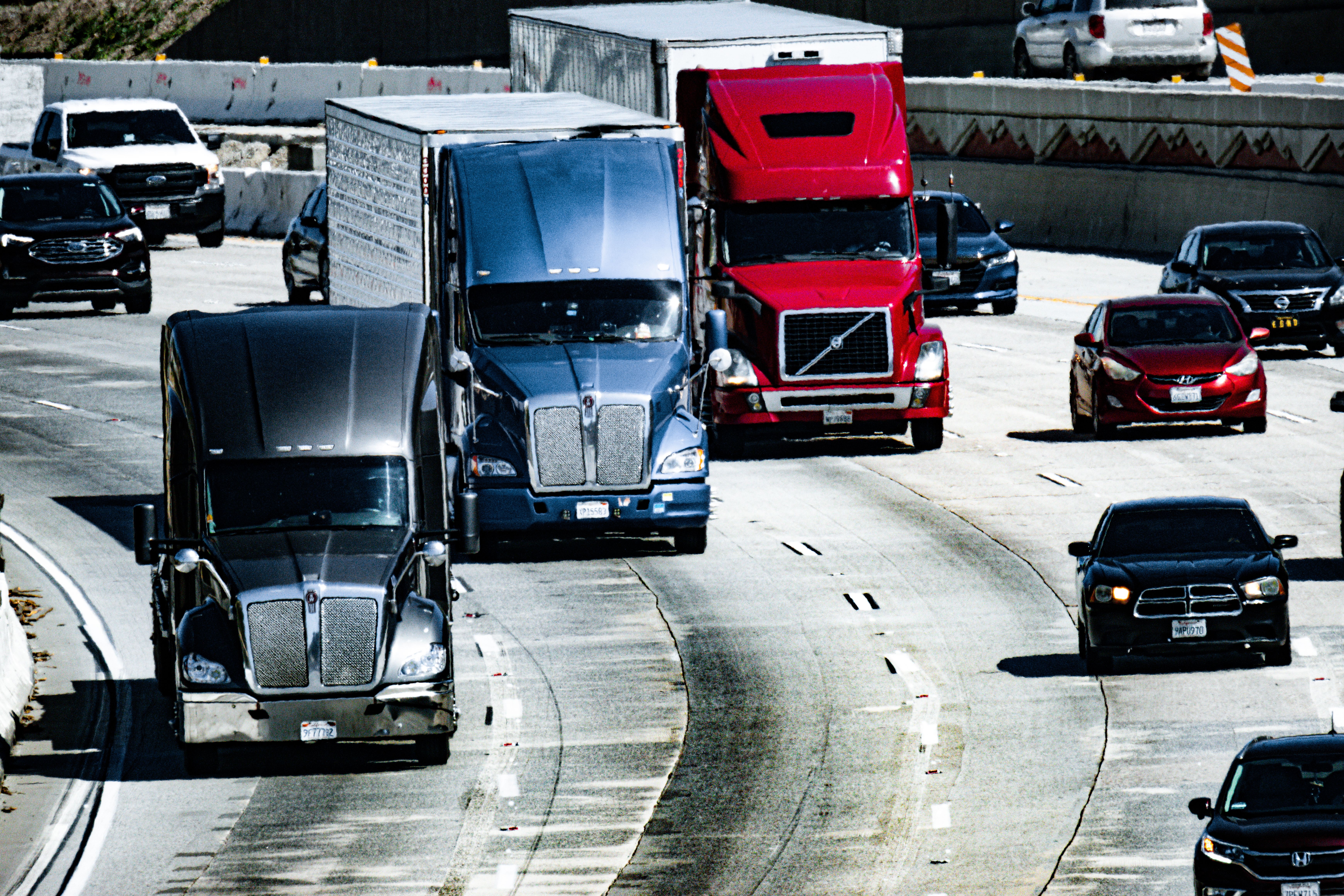
If a truck driver cuts you off while merging onto the Turnpike, you may have only seconds to react. One moment, you are driving with the flow of traffic. Then, a tractor-trailer, box truck, delivery truck, or other commercial vehicle moves into your lane without enough space, forcing you to brake, swerve, hit another vehicle, or absorb the impact. Afterward, you may be left with injuries, vehicle damage, insurance calls, and serious questions about whether you can file a claim.
In New Jersey, you may be able to file a truck accident claim if the truck driver, trucking company, vehicle owner, cargo company, maintenance provider, or another party caused or contributed to the crash. However, merging accidents on the New Jersey Turnpike can become complicated because trucks are large, traffic moves quickly, and several companies may be involved behind the scenes.
At CourtLaw Injury Lawyers, we help injured drivers and passengers across New Jersey after serious truck crashes, commercial vehicle accidents, and Turnpike collisions. We bring experienced guidance, zealous advocacy, compassionate support, personal communication, and strong local presence to every case we handle. For a free initial consultation, call us at 732-442-5900or email us today. Consultations are by phone or email only.
Similar Post: Catastrophic Impact: Navigating the Long-Term Costs of a Commercial Vehicle Collision
Truck Driver Cuts You Off While Merging Onto The Turnpike: Why These Crashes Are So Dangerous
A merging truck accident can happen quickly, especially on the New Jersey Turnpike. Trucks need more space to accelerate, change lanes, and stop. When a truck driver enters traffic too aggressively or moves over before checking blind spots, nearby drivers may have little room to avoid a crash.
These accidents can involve:
- Tractor-trailers: Large trucks that need extra space to merge and brake
- Box trucks: Commercial vehicles often used for deliveries and moving services
- Dump trucks: Heavy vehicles that may accelerate slowly and block visibility
- Tanker trucks: Vehicles carrying liquid cargo that may shift during movement
- Delivery trucks: Fleet vehicles that may make frequent stops and route changes
- Construction vehicles: Work trucks entering or leaving job sites near highways
Because of their size and weight, trucks can cause catastrophic harm in a lane-change or merging collision. A smaller vehicle may get sideswiped, pushed into another lane, forced into a barrier, or struck from behind after sudden braking.
Even if the truck never physically touches your vehicle, you may still have a claim if the truck driver’s unsafe merge forced you into a crash. These situations require careful evidence review because the trucking company may deny involvement if there was no direct impact.
New Jersey Turnpike Truck Accident Lawyer: Who May Be Responsible For A Merging Crash?
A truck merging accident claim may involve more than the driver. While the truck driver may have made the unsafe lane change, other parties may also share responsibility depending on the vehicle, trip, cargo, maintenance, and employment relationship.
Potentially responsible parties may include:
- Truck driver: The driver merged without enough space or failed to check blind spots
- Trucking company: The company hired, trained, scheduled, or supervised the driver
- Vehicle owner: The owner allowed the truck to operate in unsafe condition
- Maintenance provider: The repair company failed to fix mirrors, brakes, tires, or lights
- Cargo company: The loader created balance issues that affected vehicle control
- Broker or contractor: Another business controlled part of the transportation arrangement
Commercial truck claims can become more complex than regular car accident claims because the truck may be connected to multiple companies. One company may own the cab, another may own the trailer, another may load the cargo, and another may employ or contract with the driver.
Because each party may try to avoid responsibility, it is important to investigate the crash early. We look beyond the police report and examine the records that may show why the truck entered your lane unsafely.
Similar Post: Beyond the Driver: Identifying Potentially Liable Parties in a New Jersey Commercial Vehicle Accident
Truck Merging Accident Claim: What Evidence Can Help Prove The Truck Driver Cut You Off?
After a truck driver cuts you off while merging onto the Turnpike, evidence can disappear quickly. Trucking companies and insurers often begin investigating serious crashes right away. Meanwhile, you may still be at the scene, at the hospital, or trying to understand what just happened.
Helpful evidence may include:
- Dashcam footage: Shows the truck’s merge, lane position, speed, and distance
- Nearby camera video: Captures the crash from toll plazas, businesses, or roadway cameras
- Police report: Identifies vehicles, drivers, witnesses, and initial crash details
- Witness statements: Supports your account of the truck’s unsafe movement
- Truck data: May show speed, braking, steering, and timing before impact
- Driver logs: Helps determine whether fatigue or hours-of-service issues mattered
- Company records: Shows route assignments, dispatch instructions, and deadlines
- Vehicle inspections: Reveals possible mirror, brake, tire, or signal problems
You should also write down everything you remember as soon as you can. Include the truck’s lane, your lane, whether the truck used a signal, the exit or mile marker nearby, traffic conditions, weather, and whether the truck continued driving after the crash.
If the truck had a company name, USDOT number, license plate, trailer number, or logo, save that information. These details can help identify the right parties and insurance carriers.
Unsafe Lane Change Truck Accident: How New Jersey Law May Apply
New Jersey law requires drivers on marked roadways to remain within their lanes and avoid moving from a lane until they have determined the movement can be made safely. That rule matters in truck merging accidents because a truck driver must account for blind spots, vehicle length, traffic speed, and the limited space around nearby cars.
A truck driver may violate basic safety rules by:
- Merging too soon: Entering the lane before there is enough space
- Ignoring blind spots: Failing to check areas along the trailer or passenger side
- Failing to signal: Moving into traffic without proper warning
- Forcing evasive action: Making another driver brake or swerve suddenly
- Drifting across lanes: Allowing the truck or trailer to cross lane markings
- Misjudging speed: Entering fast traffic without proper acceleration
- Driving distracted: Checking GPS, dispatch messages, or other devices
However, the trucking company or insurer may argue that you caused the crash. They may claim you were speeding, followed too closely, failed to let the truck merge, or changed lanes at the same time. These arguments are common, especially when a crash happens in heavy Turnpike traffic.
That does not mean the insurer is right. A claim should be built on evidence, not assumptions. Video, physical damage, witness statements, truck data, and crash reconstruction can help show whether the truck driver made an unsafe move.
Commercial Truck Accident In New Jersey: Why Trucking Companies May Fight Liability
Trucking companies and commercial insurers often take these claims seriously because the injuries and damages can be substantial. A single Turnpike truck crash may involve serious medical treatment, lost income, permanent injuries, multiple vehicles, and high insurance exposure.
As a result, the company may try to limit responsibility by arguing:
- No contact occurred: The truck did not touch your vehicle
- You had room to avoid it: You should have slowed down sooner
- Traffic caused the crash: Congestion, not the truck driver, led to the collision
- Another driver was at fault: A third vehicle created the danger
- Your injuries are unrelated: Your medical problems existed before the crash
- The driver was independent: The company tries to distance itself from the driver
These defenses can feel frustrating, especially when you know the truck’s unsafe merge caused the crash. However, commercial vehicle cases often require a direct and organized response.
At CourtLaw Injury Lawyers, we understand how trucking insurers approach these claims. We bring experienced preparation, zealous advocacy, and compassionate support to help injured people tell the full story clearly.
Truck Accident Compensation: What Losses May Be Included In A Turnpike Claim?
If a truck driver or trucking company caused your crash, your claim may seek compensation for the losses tied to your injuries. The amount depends on the medical evidence, available insurance, long-term impact, fault issues, and the severity of the collision.
A truck accident claim may include compensation for:
- Emergency care: Ambulance transport, emergency room treatment, and hospital care
- Medical treatment: Surgery, imaging, medication, therapy, and follow-up visits
- Lost wages: Missed paychecks, reduced hours, or work absences
- Reduced earning ability: Long-term limits on your ability to do your job
- Pain and suffering: Physical pain, emotional distress, anxiety, and daily disruption
- Property damage: Vehicle repairs, total loss value, towing, and rental costs
- Future care: Ongoing treatment, rehabilitation, assistive devices, or home support
Truck crashes can also cause emotional effects. Many people feel nervous driving near trucks after a serious merging accident. Others avoid highways, struggle with sleep, or feel overwhelmed by medical appointments and insurance calls.
Because personal communication matters, we take time to understand how the crash affected your life, not just what appears in the police report or medical bills.
New Jersey Comparative Negligence: What If The Trucking Company Blames You?
In a merging accident, the trucking company may claim you share fault. New Jersey’s modified comparative negligence rule may still allow recovery if your share of fault is not greater than the fault of the party or parties you are pursuing. However, any percentage of fault assigned to you may reduce the compensation you can recover.
For example, the insurer may argue that you:
- Drove too fast: The company claims you prevented the truck from merging
- Followed too closely: The company says you left too little room
- Changed lanes suddenly: The company argues you entered the truck’s path
- Missed the signal: The company says the truck warned you before merging
- Reacted too sharply: The company claims your evasive maneuver caused the crash
These arguments do not automatically defeat your claim. In many cases, the truck driver had the better ability to prevent the crash because commercial drivers must account for the size of their vehicles, blind spots, and the flow of traffic before merging.
Evidence can show whether the truck driver acted safely or forced you into danger. That evidence may include dashcam footage, truck event data, witness statements, lane markings, damage patterns, and roadway conditions.
New Jersey Turnpike Truck Crashes: Why Location And Road Conditions Matter
The New Jersey Turnpike is one of the busiest commercial travel corridors in the region. Trucks use it to move goods between ports, warehouses, distribution centers, airports, and major cities. As a result, passenger vehicles often share lanes with large trucks, especially near interchanges, toll plazas, and merge areas.
A truck merging accident may happen near:
- Newark: Heavy truck traffic near port routes, airport roads, and industrial corridors
- Elizabeth: Distribution activity, warehouse traffic, and dense interchange areas
- Woodbridge: Turnpike access points, commuter traffic, and local commercial routes
- Carteret: Freight activity, warehouses, and truck-heavy roadways
- Exit ramps: Tight merge zones, sudden lane changes, and traffic slowdowns
Local presence matters in these cases. A crash near a toll plaza may involve different evidence than a crash near a warehouse entrance or interchange. A collision during rush hour may raise different questions than a late-night crash involving a fatigued commercial driver.
At CourtLaw Injury Lawyers, we understand New Jersey roads, local traffic patterns, and how Turnpike crashes affect drivers and families. That local knowledge helps us ask the right questions early.
Truck Driver Merging Onto The Turnpike: What Should You Do After The Crash?
After a truck merging crash, you should focus first on safety and medical care. If your vehicle is disabled or you are in an active lane, call 911 and wait for help if it is safer to stay inside the vehicle. Turnpike traffic can move fast, and getting out near trucks may create another danger.
Once it is safe, take these steps:
- Call 911: Report the crash and request medical help
- Get medical attention: Accept emergency care or see a doctor as soon as possible
- Photograph the scene: Capture vehicle positions, damage, lane markings, and road signs
- Identify the truck: Save the company name, plate, trailer number, and USDOT number
- Collect witness information: Ask for names, numbers, and what they saw
- Avoid detailed statements: Do not guess about speed, fault, or injuries
- Save every document: Keep medical records, repair estimates, bills, and insurance letters
You should also avoid communicating directly with the trucking company beyond basic factual information. Commercial insurers may contact you quickly, and they may ask for a recorded statement before you know the full extent of your injuries.
Before you sign anything or accept a settlement, it helps to understand what the claim may involve.
New Jersey Personal Injury Deadline: How Long Do You Have To File A Truck Accident Claim?
In most New Jersey personal injury cases, you generally have two years from the date of injury to file a lawsuit. This deadline can apply to Turnpike truck crashes, unsafe lane change accidents, and commercial vehicle collisions.
However, trucking cases should not wait. Evidence may disappear much sooner. Truck data can be overwritten, dashcam footage may be deleted, vehicles may be repaired, and driver records may become harder to obtain.
Early action may help preserve:
- Electronic truck data: Speed, braking, acceleration, and steering information
- Driver records: Logs, schedules, training records, and inspection documents
- Video footage: Dashcam, surveillance, toll area, or nearby camera footage
- Maintenance records: Brake, tire, mirror, signal, and repair history
- Witness accounts: Statements from drivers or passengers who saw the merge
If a government vehicle or public entity is involved, shorter notice rules may apply. Because deadlines can change depending on the facts, you should get guidance as soon as possible.
FAQ About Filing A Claim After A Truck Driver Cuts You Off While Merging Onto The Turnpike
Can You File A Claim If A Truck Driver Cuts You Off While Merging Onto The Turnpike?
Yes, you may be able to file a claim if the truck driver’s unsafe merge caused or contributed to your crash. The claim may involve the driver, trucking company, vehicle owner, maintenance provider, cargo company, or another party.
What If The Truck Did Not Hit My Vehicle?
You may still have a claim if the truck driver’s unsafe lane change forced you to brake, swerve, or crash. These cases can be harder to prove, so evidence such as video, witnesses, and vehicle data may be especially important.
Is The Trucking Company Responsible For The Driver’s Unsafe Merge?
The trucking company may be responsible if the driver was working at the time or if company practices, training, schedules, maintenance, or supervision contributed to the crash. The exact answer depends on the facts.
What Evidence Helps A New Jersey Turnpike Truck Accident Claim?
Helpful evidence may include the police report, dashcam footage, witness statements, truck data, driver logs, company records, maintenance records, photographs, medical records, and insurance correspondence.
How Soon Should I Contact A Lawyer After A Turnpike Truck Crash?
You should contact a lawyer as soon as you can after receiving medical care. Trucking companies may begin investigating quickly, and early action can help preserve evidence before it disappears.
Injured After A Truck Cut You Off On The New Jersey Turnpike? Call Or Email CourtLaw Injury Lawyers
If a truck driver cut you off while merging onto the Turnpike, you may be facing pain, vehicle damage, missed work, medical appointments, and pressure from insurance companies. You may also be unsure whether to pursue the truck driver, trucking company, vehicle owner, or another business connected to the crash.
At CourtLaw Injury Lawyers, we help injured people across New Jersey after truck accidents, Turnpike crashes, unsafe lane changes, and commercial vehicle collisions. We bring experienced representation, zealous advocacy, compassionate guidance, personal communication, and local presence to every case we handle.
Call CourtLaw Injury Lawyers at 732-442-5900 or email us today for a free initial consultation. Consultations are by phone or email only.
Disclaimer: This blog is intended for informational purposes only and does not establish an attorney-client relationship. It should not be considered as legal advice. For personalized legal assistance, please consult our team directly.