

By CourtLaw Injury Lawyers | NJ Uber Accident Attorneys

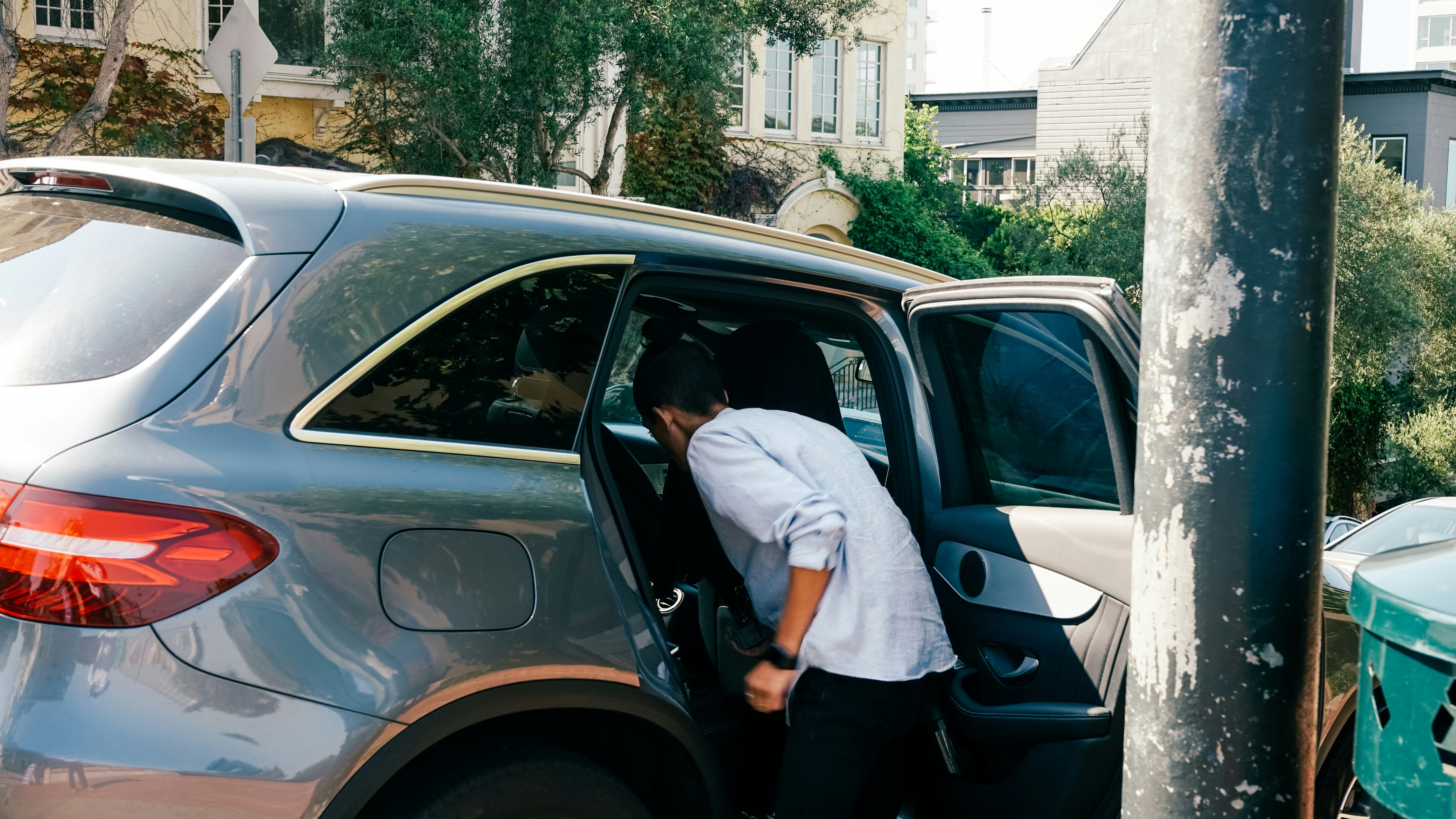
If your Uber driver pulls over in a dangerous spot and you get hit, the situation can feel confusing almost immediately. One moment, you may be trying to exit the vehicle near traffic, on the shoulder, beside a busy curb, or in a poorly lit area. The next, you may be dealing with injuries, police questions, insurance calls, and uncertainty about who should take responsibility.
These accidents can happen near Newark Penn Station, outside a restaurant in Hoboken, along Route 1, near the Garden State Parkway, or on a crowded street in Perth Amboy. However, no matter where the crash happens, you should not have to figure out the legal and insurance issues alone.
At CourtLaw Injury Lawyers, we help injured Uber passengers and pedestrians understand what may come next after a rideshare accident in New Jersey. We bring experience, zealous advocacy, compassionate guidance, personal communication, and local presence to every case we handle. For a free initial consultation, call us at 732-442-5900or submit the online contact form. Our consultations are by phone or email only.
Uber Driver Pulls Over In A Dangerous Spot: Why This Type Of Accident Can Become Complicated


An Uber ride should end in a reasonably safe place. However, some drivers stop wherever the app route ends, wherever traffic allows, or wherever they think the passenger wants to exit. As a result, passengers may step out near moving vehicles, bike lanes, intersections, highway shoulders, construction zones, bus stops, or double-parked traffic.
When an Uber driver pulls over in a dangerous spot, several questions may matter:
- Drop-off location: Whether the driver stopped in a place that exposed you to traffic
- Traffic conditions: Whether nearby vehicles had enough time and space to avoid you
- Lighting and visibility: Whether poor lighting made the area unsafe
- Driver instructions: Whether the driver told you to exit before it was safe
- Vehicle position: Whether the Uber blocked your view or forced you into traffic
- App records: Whether the trip data shows where the ride ended
- Witness accounts: Whether anyone saw the stop, the impact, or the moments before it
These details matter because an unsafe drop-off can involve more than one responsible party. The Uber driver may have made a poor decision, another driver may have failed to watch the road, and the rideshare company’s insurance structure may affect the claim.
Because these cases move quickly, you should try to preserve evidence as soon as possible. Screenshots, photos, trip receipts, medical records, and police reports can help show what happened before insurance companies try to shift blame.
Similar Post: Injured As An Uber Or Lyft Passenger In NJ: What Should You Know To Protect Your Rights After A Crash?
Uber Passenger Injury Claim: Who May Be Liable If You Were Hit After Getting Out?
If you were hit after getting out of an Uber, liability may depend on how the crash happened. In many cases, the driver who struck you may bear fault. However, the Uber driver may also share responsibility if the drop-off location was unsafe.
For example, an Uber driver may create danger by stopping:
- In a travel lane: The driver forces you to exit near moving traffic
- On a highway shoulder: The driver places you close to fast-moving vehicles
- Next to a bike lane: The driver opens or encourages you to exit into cyclist traffic
- Near an intersection: The driver stops where turning vehicles may not see you
- In a construction area: The driver drops you near cones, equipment, or narrowed lanes
- Outside a safe curb area: The driver makes you step into the street instead of onto a sidewalk
Afterward, insurance companies may look for ways to argue about fault. They may claim you exited too quickly, crossed in the wrong place, failed to look, or chose the drop-off location yourself. However, those arguments do not tell the whole story.
A rideshare passenger often relies on the driver to stop in a safe place. When a driver controls the vehicle and chooses where to pull over, that choice can become a key issue in the claim.
Rideshare Accident In New Jersey: How Uber Insurance May Apply
Uber accident claims can become more layered than regular car accident claims because rideshare trips involve app status, trip records, and different insurance periods. In most cases, injured passengers pursue claims against Uber's commercial insurance policy rather than suing Uber directly, since drivers are classified as independent contractors. In New Jersey, transportation network companies must follow state safety and insurance requirements. These rules are designed to protect the riding public, including passengers.
As a no-fault state, New Jersey requires injured parties to first seek compensation through their own Personal Injury Protection (PIP) coverage, regardless of who caused the accident. PIP can cover medical expenses and some lost wages up to your policy limits. Once those limits are exhausted, or if your injuries meet New Jersey's verbal threshold for serious injury, you may then pursue a claim against the responsible party or parties.
If you were an Uber passenger during an active trip, the insurance analysis may differ from a crash involving a driver who was simply logged into the app and waiting for a ride request. That distinction matters because coverage can depend on what the driver was doing at the time.
In a dangerous drop-off case, useful evidence may include:
- Trip receipt: Shows the ride date, route, pickup point, and drop-off area
- App screenshots: Help confirm the trip status and location
- Police report: Documents the crash scene and parties involved
- Vehicle photos: Show where the Uber stopped and where impact occurred
- Medical records: Connect your injuries to the incident
- Witness information: Supports your version of what happened
At CourtLaw Injury Lawyers, we look closely at those records because they help show whether the accident happened during the course of the rideshare trip. That information can affect which insurance company gets involved and how the claim proceeds.
Similar Post: Navigating New Jersey’s Comparative Negligence Laws: Can You Still Recover Damages?
Dangerous Uber Drop-Off Accident: What Should You Do Right After The Crash?
After a dangerous Uber drop-off accident, your first priority should always be safety and medical care. Even if you feel embarrassed, shaken, or unsure whether you are seriously hurt, you should take the situation seriously.
If you can, take these steps:
- Call 911: Report the crash and request medical help if anyone is injured
- Get medical care: Visit an emergency room, urgent care center, or doctor
- Save your Uber trip: Keep the receipt, driver information, route, and drop-off location
- Take photos: Capture the vehicle position, roadway, signs, lighting, and injuries
- Get witness names: Ask nearby people for contact information
- Avoid recorded statements: Speak carefully before giving statements to insurance companies
- Contact a lawyer: Get guidance before the claim becomes harder to prove
After you receive medical care, write down what you remember. Include where the Uber stopped, what the driver said, where you exited, where the other vehicle came from, and whether anything blocked your view.
Small details can become important later. For example, if the Uber stopped beside traffic instead of pulling to a curb, that fact may support your claim. Likewise, if the driver told you to get out while cars were passing, that statement may matter.
New Jersey Uber Accident Lawyer: How Fault May Be Disputed After An Unsafe Stop
Fault disputes are common after Uber drop-off accidents because several people may tell different stories. The Uber driver may say you asked to get out there. The other driver may say you stepped into traffic. An insurance company may argue that your injuries came from something else.
New Jersey follows a modified comparative negligence rule; as long as your share of fault is 50% or less, you may still recover compensation, though the amount may be reduced by your percentage of fault.
That is why evidence matters so much. A strong claim does not rely only on what someone says after the accident. Instead, it uses records, photos, reports, medical documentation, and trip data to tell the full story.
In these cases, we may look at questions such as:
- Did the Uber stop in a legal and safe area?
- Did the driver have a safer place to pull over nearby?
- Did the driver rush you or tell you to exit?
- Did another driver speed, fail to yield, or drive distracted?
- Did roadway design, lighting, or construction create added danger?
- Did the app data support your timeline?
- Did your injuries match the reported impact?
Because we have a local presence in New Jersey, we understand how busy roads, transit hubs, shore towns, and downtown areas can shape these crashes. A drop-off in Jersey City does not look the same as a drop-off near the New Jersey Turnpike, and a late-night ride in Hoboken may raise different safety issues than a daytime pickup in Edison.
Hit While Exiting An Uber: What Compensation May Include
If you were hit while exiting an Uber, your losses may go beyond the first hospital bill. A serious impact can affect your work, mobility, sleep, mood, family responsibilities, and daily routine.
Depending on the facts, a claim may include compensation for:
- Medical treatment: Emergency care, surgery, follow-up visits, therapy, and medication
- Lost income: Missed work, reduced hours, or loss of earning ability
- Pain and suffering: Physical pain, emotional distress, and daily limitations
- Future care: Ongoing treatment, rehabilitation, or medical equipment
- Out-of-pocket costs: Transportation, prescriptions, and injury-related expenses
- Scarring or disability: Long-term changes caused by the accident
Every case depends on the injuries, coverage, available evidence, and fault analysis. Therefore, it is important to avoid quick assumptions about what your claim may be worth.
Insurance companies may try to settle early, especially before you know the full extent of your injuries. However, early offers may not account for future treatment, missed work, or lasting pain. Before you accept anything, you should understand what the claim may involve.
Unsafe Rideshare Drop-Offs In New Jersey: Why Location Matters
Location often plays a major role in a dangerous Uber stop. New Jersey has dense downtowns, fast-moving highways, active nightlife areas, transit-heavy corridors, and busy shore destinations. Because of that, Uber drivers must make careful choices when ending a ride.
Dangerous stops may happen near:
- Transit hubs: Train stations, bus terminals, and airport pickup zones
- Nightlife areas: Bars, restaurants, concert venues, and event spaces
- Highways: Shoulders, ramps, exits, and high-speed roads
- Downtown streets: Double-parked areas, bike lanes, and crowded intersections
- Shore towns: Boardwalk traffic, pedestrian-heavy roads, and seasonal congestion
For example, a stop near Newark Penn Station may involve buses, pedestrians, taxis, and rideshare traffic all moving at once. A stop near the Jersey Shore during summer may involve crowds, distracted drivers, and limited curb space. Meanwhile, a stop near Route 9 or the Garden State Parkway may expose passengers to fast-moving vehicles if the driver pulls over in the wrong place.
These local details matter because they help explain why a stop was unsafe. They can also show that a safer option may have been available nearby.
Uber Accident Compensation: Why Personal Communication Matters During The Claim
After an Uber accident, you may hear from several insurance representatives. One may represent the driver who hit you. Another may represent the Uber driver. Another may request records tied to the rideshare trip. Meanwhile, you may still be dealing with pain, appointments, and missed work.
That process can feel overwhelming. This is where personal communication matters.
At CourtLaw Injury Lawyers, we believe injured people should know what is happening in their own cases. We take time to explain the process, answer questions, and keep communication clear. We also understand that no two rideshare accident claims are the same.
A dangerous drop-off case may require us to examine:
- The Uber driver’s conduct
- The striking driver’s conduct
- The exact drop-off location
- The timing of the ride
- The available rideshare coverage
- The medical impact of the injuries
- The long-term effect on your life
Because we handle personal injury matters across New Jersey, we understand how local roads and local insurance practices can affect a claim. We bring experienced guidance, zealous preparation, and compassionate support to the process.
New Jersey Personal Injury Deadline: How Long Do You Have To Act?
In New Jersey, most personal injury lawsuits must be filed within two years from the date of injury. This deadline matters in Uber accident cases, including claims involving unsafe drop-offs.
However, you should not wait until the deadline approaches. Evidence can disappear quickly. App data may become harder to obtain, witnesses may forget details, and nearby camera footage may get erased.
Acting early can help protect:
- Trip data: App information tied to the ride
- Scene evidence: Photos, surveillance footage, and traffic conditions
- Witness memory: Details from people who saw the stop or crash
- Medical proof: Records connecting your injuries to the accident
- Insurance access: Timely notice to the correct companies
Even if you are not ready to file a lawsuit, you should still understand your rights early. A phone or email consultation can help you learn what steps may protect your claim.
FAQ About What Happens If Your Uber Driver Pulls Over In A Dangerous Spot
Can I Bring A Claim If My Uber Driver Pulls Over In A Dangerous Spot And I Get Hit?
Yes, you may have a claim if an unsafe drop-off contributed to the accident. The Uber driver, the driver who hit you, or more than one party may share responsibility, depending on the facts.
What If Another Driver Hit Me After I Got Out Of The Uber?
The other driver may be liable if they acted carelessly. However, the Uber driver’s choice of drop-off location may also matter if it placed you in danger.
Should I Report The Dangerous Uber Drop-Off To Uber?
You can report the incident through the app, but you should be careful with written statements. Keep your report factual and avoid guessing about fault before you understand the full situation.
What Evidence Helps An Uber Passenger Injury Claim?
Helpful evidence may include your Uber receipt, screenshots, police report, medical records, photos of the scene, witness names, and any available surveillance video.
How Soon Should I Contact A New Jersey Uber Accident Lawyer?
You should contact a lawyer as soon as you can after receiving medical care. Early guidance can help preserve evidence, identify coverage, and reduce the risk of insurance mistakes.
Injured After An Unsafe Uber Stop In New Jersey? Call Or Email CourtLaw Injury Lawyers
If your Uber driver pulled over in a dangerous spot and you got hit, you may feel unsure about who caused the accident, which insurance company applies, and what steps you should take next. You do not have to sort through those questions alone.
At CourtLaw Injury Lawyers, we help injured Uber passengers, pedestrians, and rideshare accident victims across New Jersey. We bring experience, zealous advocacy, compassionate guidance, personal communication, and strong local presence to every claim we handle.
Call 732-442-5900 or submit the online contact form today for a free initial consultation. Consultations are by phone or email only.
Disclaimer: This blog is intended for informational purposes only and does not establish an attorney-client relationship. It should not be considered as legal advice. For personalized legal assistance, please consult our team directly.